fish cold storage - fish freezer room - fish cold room
Fish cold storage methods are important for food quality and safe handling. This guide covers practical storage considerations for fresh and frozen fish.
How to properly store fish
To get the most out of your fish, practice good storage methods for fresh and frozen produce. Storing fish correctly can extend its life and help maintain taste, texture and appearance.
Raw and cooked fish should be kept separate. If they must be stored in the same cold storage unit, raw fish should be well sealed and stored as far away as possible to help reduce cross-contamination risks.
Good packaging helps keep fish safer and more hygienic and can reduce the transfer of smells and flavours between different types of fish.
The best way to freeze fresh fish
Rapid blast freezing can improve the flavour and appearance of fish and help minimize wastage. Fish should be rapidly frozen at a minimum of -18 °C, although -30 °C may be preferred for some applications.
When freezing fish in a blast freezer, avoid packing fish too tightly or exceeding the cold store capacity, because this can increase freezing time.
Read about our freezer cold rooms, service support and contact options.
flower cold room - flower shop cold room - flower shop chiller - cold room dubai
Flower cold rooms and flower shop chillers can use temperature monitoring to help florists display flowers and keep them fresh and lively for longer periods.
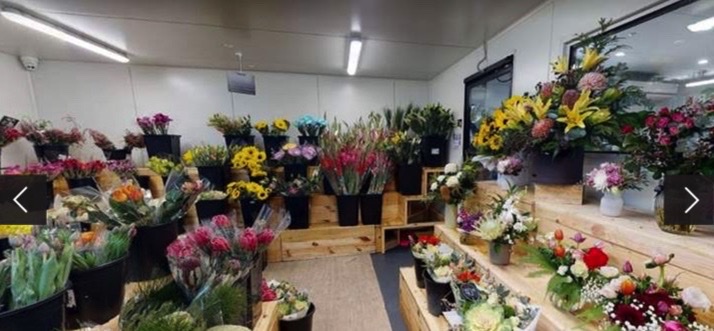
Explore our flower cold room page, service support and contact options.
Customized cold room

Low-temperature quick-freezing is the key to long-term, high-quality preservation of food. Rapid cooling can help food pass quickly through the ice crystal formation zone, reducing the formation of large ice crystals in food cells and helping maintain the original quality and taste.
The temperature of the quick-freezer is generally -15 °C to -35 °C. It is mainly used for low-temperature and rapid freezing of food, medicine and other items. Cooling down quickly can provide a good preservation effect.
Learn more about freezer cold rooms, installation and service or contact Mana Cold Room.
Know Your Temperatures
All fruit and vegetables have a critical temperature below which the produce can be affected undesirably, such as blackening and softening in carrots. Produce must be stored above this temperature to maintain life and quality. Many factors contribute to an optimum storage temperature, so use the table below as a general guide.
Fruit/Vegetable | Temperature (°C) | Conditions |
Apples cold room | 0 – 4 | Cold, moist |
Cold room for Berries (Blackberries, raspberries, strawberries etc) | -1 – 4 | Cold, moist |
Cold room for Broccoli | 0 | Cold, moist |
Cold room for Cabbage | 0 | Cold, moist |
Cold room for Carrots | 0 | Cold, moist |
Cold room for Cauliflower | 0 | Cold, moist |
Cold room for Cucumber | 10 – 13 | Cool, moist |
Cold room for Lettuce | 1 | Cold, moist |
Cold room for Oranges | 0 – 4 | Cool, dry |
Cold room for Onions | 0 | Cool, dry |
Cold room for Peaches | -1 – 0 | Cool, dry |
Cold room for Pears | 0 | Cold, moist |
Cold room for Spinach | 0 | Cold, moist |
Cold room for Sweet potatoes | 13 – 16 | Warm, dry |
Cold room for Tomatoes | 13 – 21 | Cool, moist |
Cold room for Turnips | 0 | Cold, moist |
Cold room for Watercress | 0 | Cold, moist |
For a dedicated fruit and vegetable cold room, see our service support.